Water Heater Repair in San Antonio, TX
Water heater diagnosis and repair for tanks, burners, valves, and controls.
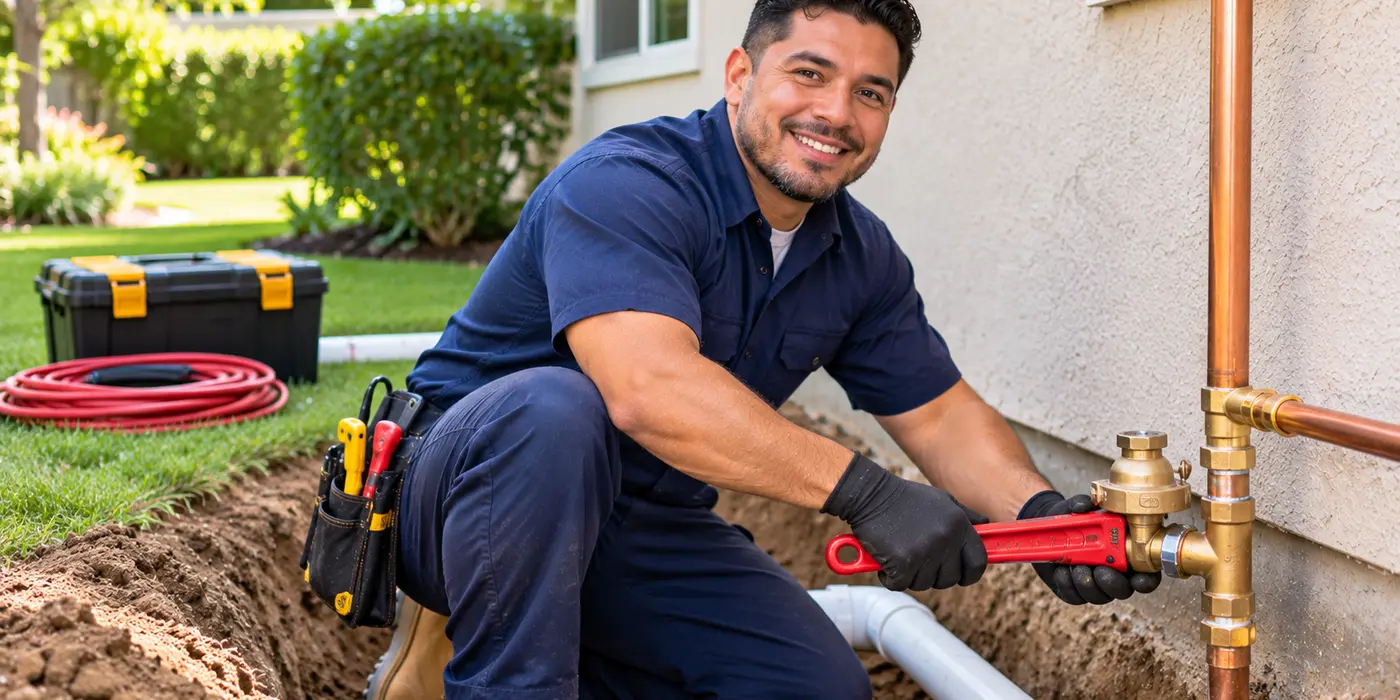
When a water heater begins running cold before a shower ends, a week of waiting can turn a worn heating element, burner, or thermostat into a complete loss of hot water. We check the tank, controls, gas burner or electrical components, and nearby connections to identify the part causing the temperature change.
After a month, sediment can make a tank rumble longer, a small valve leak can leave corrosion around the fitting, and repeated burner or pilot faults can stop the unit from heating altogether. We look for water at the base of the tank, moisture around the temperature-and-pressure relief valve, and changes in recovery time.
Water heater repair should not wait when the tank leaks, the relief valve releases water, the burner will not stay lit, or hot water has stopped because these faults can worsen into water damage or a full heater failure. We can determine whether the repair is limited to a replaceable component or whether the tank itself is the problem.
No hot water or rumbling
We hear “no hot water,” “water is only lukewarm,” “the pilot will not stay lit,” and “the breaker keeps tripping” when a heater is not producing heat. A gas unit may have a pilot, thermocouple, igniter, burner, gas control valve, or venting issue, while an electric unit may have an element, thermostat, wiring, or reset problem.
Rumbling, popping, a rotten-egg smell at the hot tap, rusty water, or water on the floor near the tank point to different conditions inside or around the heater. We separate a sediment sound, an anode-rod issue, a leaking connection, and a failing tank because similar symptoms can require very different parts and labor.
Tank and burner inspection
Our inspection starts with the model plate, tank condition, shutoff valves, water connections, drain valve, and temperature-and-pressure relief valve. We check for active leakage, measure water temperature, inspect the burner flame or electrical terminals, and verify whether the relief valve is operating at its listed 150 psi setting; a diagnostic inspection commonly takes 20 to 40 minutes.
On the same visit, we can usually replace accessible items such as a thermocouple, heating element, thermostat, relief valve, or supply connector when the correct part is available. A corroded shutoff, a part that must be ordered, concealed venting trouble, or a tank with a leaking seam may require a return visit or replacement planning.
Anode rods and seized valves
Price depends heavily on the failed part, the heater’s age, and whether the tank fittings can be removed without damaging a corroded connection. We check whether an anode rod, element, gas control, relief valve, or connector is still available for the model before recommending the repair.
Access changes the work when a heater sits in a tight closet, attic, garage corner, or framed utility space with limited room around the drain and water lines. A seized shutoff valve, rusted threads, required vent work, an ordered part, or permit sign-off where applicable adds work beyond a straightforward component replacement.
Model plate and tank access
Before calling, we need the model number from the plate on the water heater, along with the fuel type shown on the unit: gas or electric. The plate is commonly attached to the jacket near the controls, and a photo can help us identify compatible elements, thermostats, burners, or valves.
The tank’s approximate age, the room where it is installed, and whether water is currently leaking from the base or relief valve help us prepare for the visit. Let us know if the heater is in an attic, closet, garage, or utility room and whether a door, panel, or stored items restrict access to the tank. Call Plumbing Solutions San Antonio at (726) 227-4061 when water is leaking or the heater has stopped heating, since a leaking tank or failed heating component can worsen while it remains in use.
Next: toilet repair, or back to the home page.